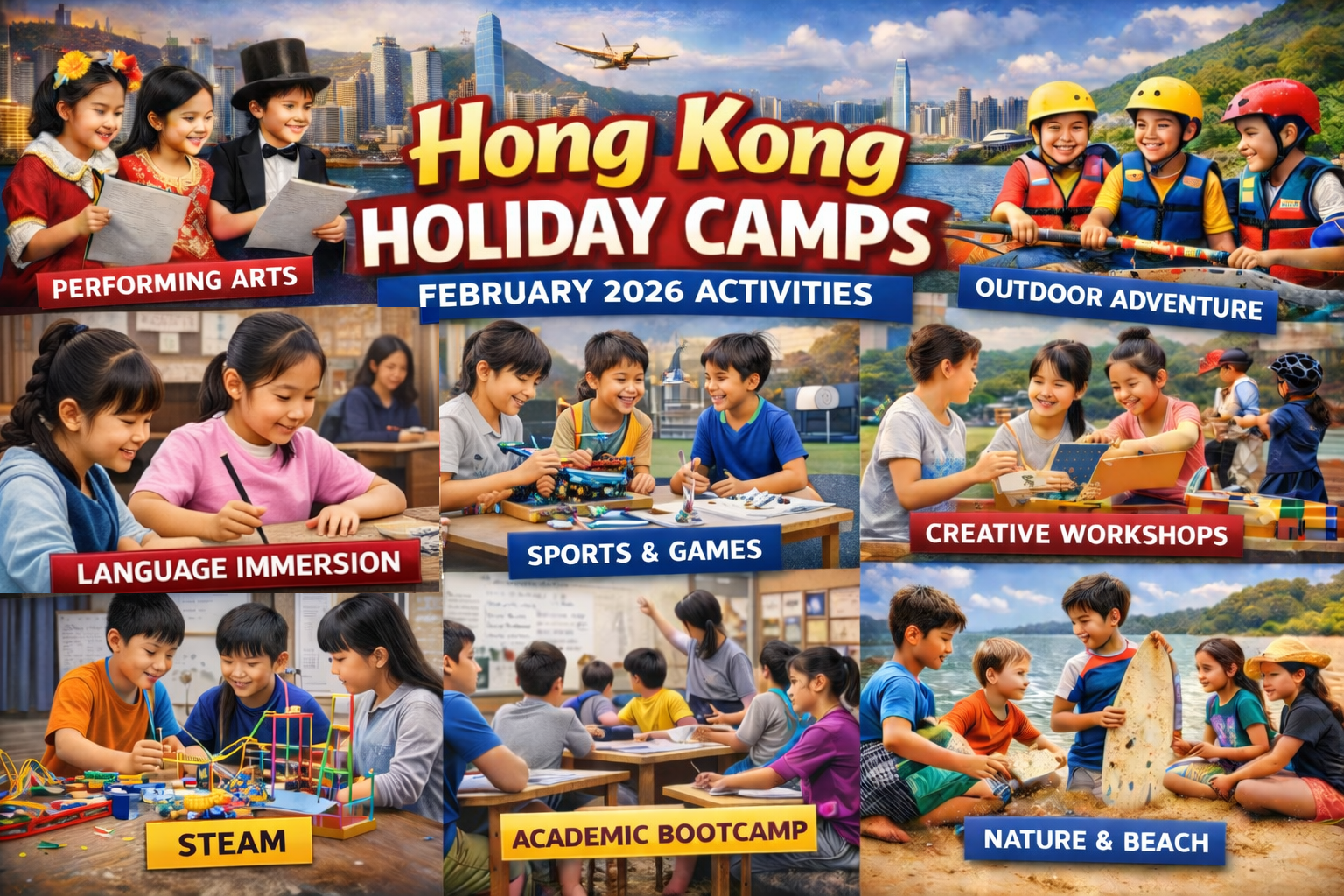

Introduction – When School Holidays Become Another School Term
Every school holiday, it happens again.
Parents gather in WhatsApp groups, sharing recommendations for math revision classes, English enrichment programs, and science tuition. Schedules fill up quickly, and before long, the “break” looks suspiciously like another school term.
A friend once joked, “My child is more tired during holidays than during school.”
If that sounds familiar, you’re not alone. Across Asia, many parents are starting to question whether tuition during school holidays is always the best option. Increasingly, families are discovering that camps can be a powerful and healthy alternative—offering learning, growth, and structure without burnout.
In this article, we’ll explore why camps are emerging as an alternative to tuition during school holidays, what children gain from this approach, and how parents can choose the right camp experience.
Why Tuition Became the Default Holiday Choice
Tuition didn’t become popular by accident. In many Asian countries, academic performance is highly valued, and parents want to give their children every possible advantage.
Tuition during holidays is often chosen because:
Parents fear children will “fall behind”
Exams and competition feel constant
Structured schedules feel productive
Results are measurable
However, while tuition supports academic learning, it doesn’t always address the whole child.
The Hidden Cost of Non-Stop Tuition
While tuition has benefits, overloading holidays with classes can come with unintended consequences.
Children may experience:
Burnout and stress
Reduced motivation to learn
Limited social interaction
Less physical activity
Little time for creativity or play
Over time, children can associate learning with pressure rather than curiosity.
This is where camps offer a refreshing alternative.
Why Camps Work Differently From Tuition
Camps don’t replace academic learning—they complement it.
Unlike tuition, camps focus on:
Experiential learning
Social interaction
Emotional development
Physical movement
Confidence building
Children learn by doing, not memorizing. As a result, learning feels natural and enjoyable.
Parents across the region explore holiday camp options through platforms like Camp Finder Asia, which showcase a wide range of structured yet engaging programs:
👉 https://campfinderasia.com/
1. Camps Reduce Burnout While Still Encouraging Growth
One of the biggest advantages of camps is balance.
Learning Without Pressure
At camp, there are no exams or grades. Children still learn—but without fear of failure. This lowers stress and helps kids rediscover enjoyment in learning.
Rest That Actually Feels Like a Break
Because activities feel fun, children return home energized rather than exhausted. This mental reset often improves focus once school resumes.
2. Camps Build Real-World Skills Tuition Often Misses
Tuition focuses on academic knowledge. Camps focus on life skills.
Children develop:
Communication skills
Teamwork and cooperation
Problem-solving
Emotional regulation
Leadership and responsibility
These soft skills support academic success indirectly and prepare children for real-life challenges.
3. Camps Encourage Social Growth
Many children spend the school year focused on individual performance. Camps shift that focus.
Learning to Work With Others
Group activities require cooperation, compromise, and listening—skills that tuition classes rarely emphasize.
Building Confidence Through Friendships
Camp friendships help children feel accepted and valued beyond grades. For many kids, this social confidence carries back into school life.
4. Camps Support Emotional Well-Being
Children experience a wide range of emotions at camp—excitement, frustration, pride, and sometimes homesickness.
With guidance from trained facilitators, they learn how to:
Express feelings
Manage disappointment
Build resilience
Develop empathy
This emotional learning is just as important as academic progress.
5. Camps Promote Independence in a Safe Way
School holidays offer a valuable opportunity for children to grow more independent.
At camp, children learn to:
Manage personal belongings
Follow routines
Make small decisions
Take responsibility for actions
Unlike tuition, where children remain in passive learning roles, camps encourage active participation and ownership.
6. Camps Offer Structure Without Rigidity
One concern parents often have is structure.
The good news? Camps are structured—but flexible.
Children follow schedules, participate in planned activities, and respect routines. However, there’s room for creativity, exploration, and play.
This balance makes camps especially appealing during school breaks.
7. Camps Help Children Discover New Interests
Tuition often focuses on subjects children already study. Camps introduce new possibilities.
Children may discover:
A love for outdoor adventure
Creative talents in art or drama
Leadership abilities
Confidence in public speaking
Interest in teamwork-based activities
These discoveries can shape future interests and even academic motivation.
8. Camps Are More Aligned With How Children Learn Naturally
Children learn best when they are engaged, curious, and emotionally safe.
Camps align with this by:
Using hands-on activities
Encouraging curiosity
Allowing mistakes
Celebrating effort
This natural learning environment often leads to deeper, more meaningful growth than forced revision.
A Real-Life Story – Choosing Camp Over Tuition
The Chen family used to fill every holiday with tuition. Their son, Leo, performed well academically but seemed increasingly withdrawn.
One holiday, they tried something different—a week-long holiday camp. At first, Leo was unsure. By the end of the week, he had made friends, spoken confidently in a group, and asked if he could return next holiday.
His parents noticed something important: Leo didn’t just come back happy—he came back motivated.
How Camp Finder Asia Helps Parents Explore Alternatives to Tuition
With so many options available, parents need clarity.
Camp Finder Asia helps families:
Discover camps across Asia
Compare programs easily
Understand camp focus and structure
Choose options aligned with their child’s needs
Instead of defaulting to tuition, parents can explore enriching alternatives here:
👉 https://campfinderasia.com/
When Tuition Still Has a Place
This isn’t about eliminating tuition completely.
Tuition can be helpful when:
A child needs academic support
Exams are approaching
Learning gaps exist
However, holidays don’t always need to be filled with more academics. Many families now combine light academic review with camps to create a healthier balance.
FAQs About Camps vs Tuition During School Holidays
1. Will my child fall behind without holiday tuition?
Most children benefit from rest and balanced learning. Camps support skills that help academic performance long-term.
2. Are camps educational enough?
Yes. Camps teach critical life and learning skills that schools and tuition often miss.
3. What if my child prefers academic learning?
There are camps that blend learning with fun. It’s about finding the right fit.
4. Are camps suitable for younger children?
Absolutely. Many camps are designed specifically for younger age groups.
5. Can camps replace tuition completely?
They can reduce reliance on tuition, but many families use a balanced approach.
6. Where can I explore camp options during school holidays?
Parents often use Camp Finder Asia to compare programs:
👉 https://campfinderasia.com/
Conclusion – Rethinking What Holidays Are For
School holidays don’t have to be extensions of the classroom.
Camps offer children the chance to grow socially, emotionally, and independently—while still learning valuable skills. As parents increasingly recognize the importance of balance, camps are becoming a thoughtful alternative to non-stop tuition.
For families seeking meaningful holiday experiences that support well-rounded development, camps may be exactly what children need.
Explore holiday camp options across Asia here:
👉 https://campfinderasia.com/