
LTL School Summer Camp
Excerpt
LTL Summer Camps offer language immersion and cultural experiences for ages ~7–17 in Asia, combining classes with activities, city exploration and weekend trips.
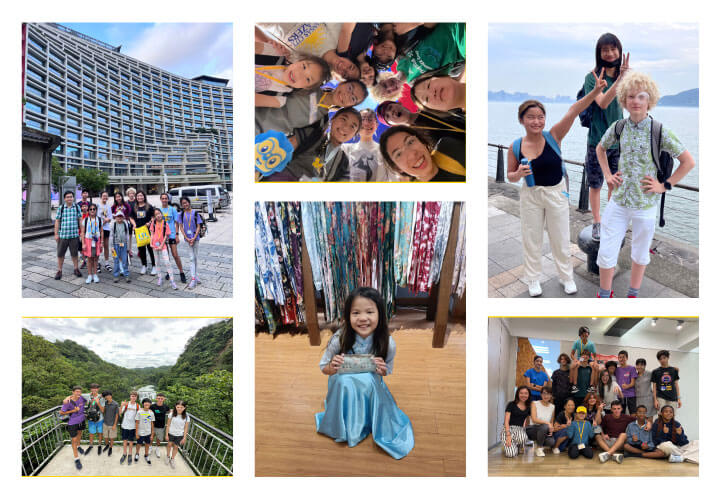
Description
LTL Language School Summer Camps – What They Do and What They Offer
LTL Language School is an international language education provider headquartered online at ltl-school.com, offering immersive language programmes and study trips across multiple countries in Asia. LTL specialises in teaching languages such as Mandarin Chinese, Japanese, Korean and Vietnamese through structured classes, cultural experiences and travel-based immersion, with physical campuses in cities including Beijing, Shanghai, Taipei, Seoul, Tokyo and Saigon (Ho Chi Minh City), among others. LTL’s programmes cater to learners of different ages and proficiency levels, emphasising real-world language use and cultural exploration.
The LTL Summer Camps programme provides children and teens with a structured holiday experience that combines language lessons with cultural, social and exploratory activities. These camps take place during the summer holidays, typically June through August, in various cities where LTL Language School operates, and they are designed to offer meaningful language learning alongside adventure and cultural engagement.
Camp Purpose and Educational Focus
The primary purpose of LTL Summer Camps is to immerse participants in a foreign language and culture through a balanced schedule of daily language classes and afternoon or weekend activities. Classes focus on practical language use — such as speaking, listening, reading and writing — while the cultural activities help reinforce language learning by situating students in real-world environments where they can practise and experience local life. These camps aim to make summer both educational and fun by combining classroom learning with discovery and social interaction.
Target Ages and Participation
LTL Summer Camps are aimed at children and teens aged approximately 7–17 years old, with specific age categories that determine the type of camp and accommodation option. Within this range, younger campers (typically 7–10) and older teens (11–17) are placed in programmes appropriate to their age group, with options such as Kids Day Camp, Teen Day Camp, Homestay Camp, Residence Camp, and Half Day Camp depending on how families want their child to participate.
Language and Location Options
LTL Summer Camps are offered in multiple international locations, giving participants the opportunity to learn different languages while exploring a new city. Locations include:
- Beijing, Shanghai and Beihai (China) — Mandarin language immersion with cultural excursions and weekend day trips
- Taipei (Taiwan) — Mandarin learning combined with city exploration, cultural activities and local experiences
- Seoul (South Korea) — Korean language study paired with cultural immersion and local experiences
- Tokyo (Japan) — Japanese language lessons and exposure to both traditional and modern aspects of Japanese culture
- Saigon (Ho Chi Minh City, Vietnam) — Vietnamese language classes with cultural visits, street food experiences and city-wide exploration
These diverse locations allow students to match their interests with language goals and travel preferences.
Camp Structure and Daily Programme
LTL Summer Camps are generally structured around a weekly schedule that begins on a Sunday (arrival) and ends on a Saturday (departure) for residential options. Each day typically includes:
- Morning language lessons (often around 20 hours of classes per week) designed to build communication skills and language confidence in structured settings
- Shared lunch to build community among participants
- Afternoon cultural activities, such as city walks, workshops, cooking sessions, traditional arts, crafts and local site visits
- Saturday full-day trips or excursions that reinforce cultural learning and bring language into real-world experience
Camp activities are varied and tailored to each location’s unique cultural, historical and social context, offering a mix of learning, exploration and fun.
Accommodation and Supervision Options
Different participation options determine where and how campers stay during the programme:
- Homestay Camp — Participants aged 11–17 live with local host families, providing rich cultural immersion and daily life language practice
- Residence Camp — Students stay with other campers in shared accommodation under supervision, with meals and activities organised together
- Day Camp Options — Younger children or those living locally can stay with parents or guardians and attend classes and activities during the day
- Half Day Camp — Allows participants to attend language lessons without afternoon or weekend activities, suitable for those who live locally or want a lighter schedule
Each format includes supervision by LTL staff and access to programme-related activities appropriate to the camper’s age and interests.
Learning Outcomes and Benefits
Participation in LTL Summer Camps offers several potential benefits:
- Language skill development in speaking, listening, reading and writing in the target language
- Cultural awareness and understanding through afternoon activities and excursions
- Real-world immersion where language learning is practised outside the classroom
- Social interaction and teamwork with peers from different backgrounds
- Confidence building through active participation in new environments
These outcomes are intended to make the summer both enriching and enjoyable, giving students skills that extend beyond traditional classroom environments.
Conclusion
LTL Language School Summer Camps are international, immersive language and cultural experience programmes for children and teens aged roughly 7–17, offered in cities across Asia including Beijing, Shanghai, Taipei, Seoul, Tokyo and Saigon. Each camp combines structured language classes with cultural activities, excursions and community learning, providing a balance of education and adventure in a supportive, global setting. Through daily lessons and real-world experiences, participants develop language skills, cultural appreciation and confidence while exploring new environments.