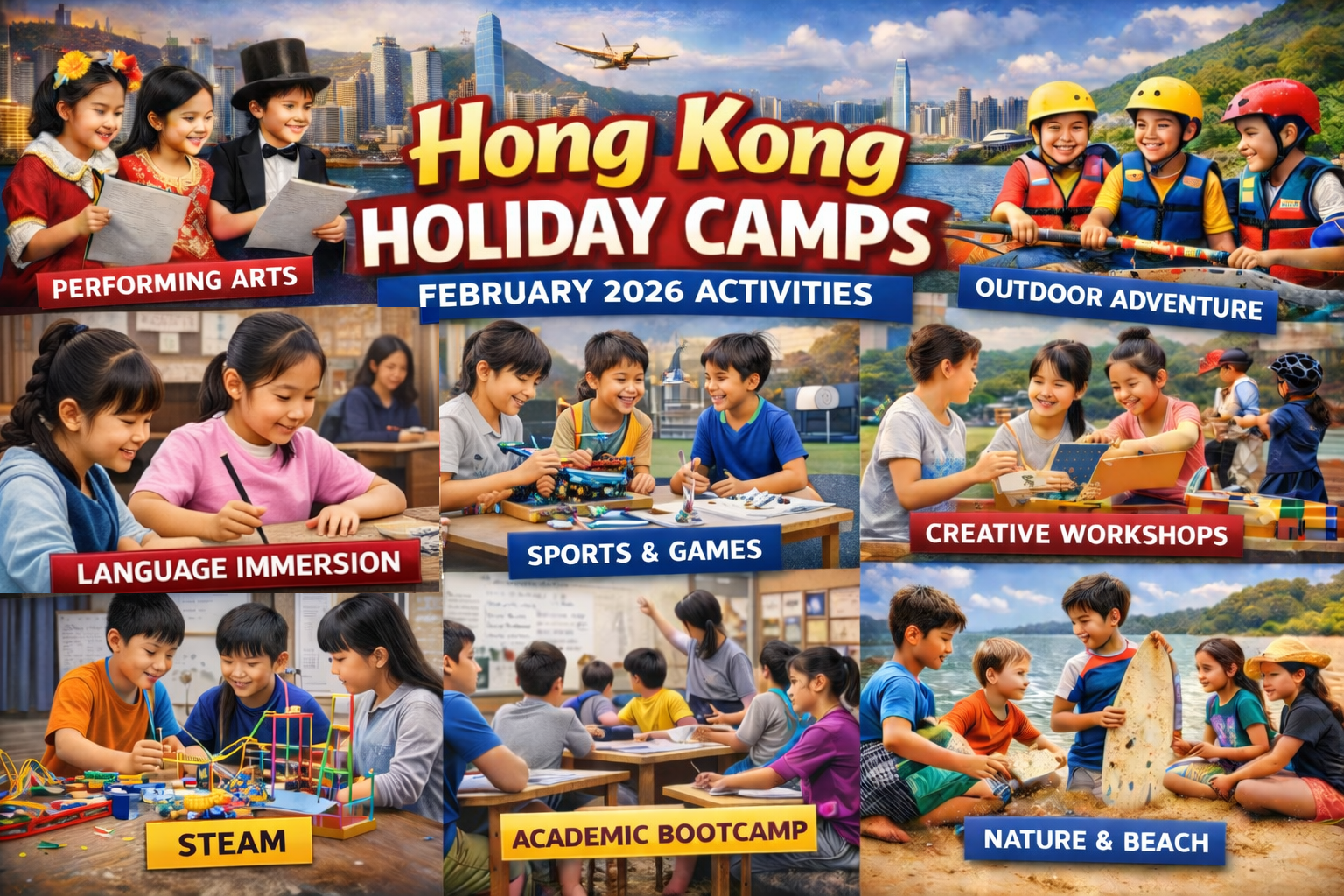

Introduction – Raising Children for a World Without Borders
A few years ago, a parent shared a moment that perfectly captured today’s parenting challenge. Her daughter had just returned from camp and casually said,
“My friend speaks three languages, and we taught each other songs from our countries.”
It wasn’t a geography lesson. It wasn’t part of a curriculum.
It was simply life—shared, experienced, and understood.
In a world where cultures, careers, and communities cross borders more than ever, many parents are asking an important question: How do we raise global citizens, not just good students?
The answer, increasingly, lies outside traditional classrooms.
Camps—especially those in diverse regions like Asia—play a powerful role in shaping children who are open-minded, empathetic, adaptable, and confident navigating the world. In this article, we’ll explore the role of camps in raising global citizens, why these experiences matter, and how families can find the right programs using platforms like Camp Finder Asia.
What Does It Mean to Be a Global Citizen?
A global citizen isn’t defined by nationality or travel history. Instead, global citizenship reflects how a person relates to the world.
Global citizens:
Respect cultural differences
Communicate across backgrounds
Show empathy and curiosity
Think critically about global issues
Adapt to new environments
Collaborate with diverse groups
These qualities don’t develop overnight—and they’re difficult to teach through textbooks alone.
Why Global Citizenship Matters More Than Ever
Today’s children are growing up in a deeply interconnected world.
They will likely:
Study or work internationally
Collaborate with global teams
Live in multicultural communities
Face global challenges like climate change and social inequality
Academic success alone isn’t enough. Children also need cultural intelligence, emotional awareness, and adaptability—skills that camps are uniquely positioned to develop.
Why Camps Are Ideal Environments for Global Learning
Camps create learning environments that feel natural, social, and experiential.
At camp:
Children learn by interacting, not memorizing
Diversity is lived, not explained
Mistakes are part of growth
Relationships form across backgrounds
This makes camps powerful spaces for developing global awareness in meaningful, lasting ways.
Parents across Asia often explore internationally minded camps using Camp Finder Asia, which brings together diverse programs from across the region:
👉 https://campfinderasia.com/
1. Camps Expose Children to Cultural Diversity Early
One of the most important aspects of global citizenship is comfort with difference.
At camp, children often meet peers who:
Speak different languages
Come from different countries
Practice different traditions
Have different perspectives
These interactions normalize diversity and help children see differences as strengths rather than barriers.
2. Language Becomes a Bridge, Not a Barrier
Language learning at camp happens organically.
Instead of formal lessons, children:
Pick up phrases through play
Learn to communicate creatively
Gain confidence speaking imperfectly
This helps children view language as a tool for connection—not something to fear.
3. Camps Teach Empathy Through Shared Experience
Empathy isn’t taught—it’s experienced.
At camp, children:
Work together toward common goals
Support peers through challenges
Celebrate successes as a group
When children see the world through others’ experiences, empathy becomes instinctive.
4. Collaboration Across Cultures Builds Social Intelligence
Group activities at camp require cooperation.
Children learn to:
Listen actively
Respect different viewpoints
Resolve conflicts respectfully
Adapt communication styles
These skills are essential for navigating multicultural environments later in life.
5. Camps Help Children Understand Their Own Identity
Understanding others often begins with understanding oneself.
Camps give children space to:
Share their own traditions
Talk about home cultures
Feel proud of who they are
This balance—appreciating both self and others—is central to global citizenship.
6. Developing Adaptability and Open-Mindedness
Camps place children in new situations regularly.
They may need to:
Adjust to new routines
Try unfamiliar foods
Navigate different social norms
Through these experiences, children become more flexible and open-minded—key traits of global citizens.
7. Leadership Skills in Multicultural Settings
Leadership looks different in diverse environments.
At camp, children learn that leadership involves:
Inclusion
Listening
Encouraging others
Taking responsibility
These leadership experiences prepare children for global collaboration rather than authority-based leadership.
8. Learning Global Values Through Everyday Moments
Camps naturally reinforce global values such as:
Respect
Cooperation
Fairness
Environmental awareness
Children learn these values not through lectures, but through lived experience.
9. Asia as a Unique Setting for Global Citizenship
Asia’s diversity makes it a powerful region for global learning.
Many camps in Asia bring together children from:
Multiple countries
International schools
Local communities
This mix creates rich opportunities for cross-cultural understanding that few other regions can offer.
Parents can explore these diverse camp options on Camp Finder Asia:
👉 https://campfinderasia.com/
Day Camps vs Overnight Camps for Global Learning
Day Camps
Ideal for younger children
Offer daily cultural interaction
Gentle introduction to diversity
Overnight Camps
Deeper cultural immersion
Stronger peer bonding
Greater independence and adaptability
Both formats support global citizenship in different ways.
10. Camps Encourage Global Responsibility
Some camps incorporate themes like:
Sustainability
Community service
Environmental stewardship
These experiences help children understand their role in caring for the world around them.
How Camps Complement School-Based Global Education
Many schools teach global topics theoretically.
Camps bring these concepts to life by:
Encouraging real interaction
Practicing communication skills
Reinforcing empathy and respect
Together, camps and schools create well-rounded global learners.
How Camp Finder Asia Helps Families Raise Global Citizens
With many options available, parents need trusted guidance.
Camp Finder Asia helps families:
Discover internationally minded camps
Compare programs across Asia
Understand camp values and focus areas
Choose environments that support global citizenship
Explore camp opportunities here:
👉 https://campfinderasia.com/
A Real-Life Story – Learning the World Through Friendship
When Noah attended an international holiday camp, he returned home excited—not about activities, but about people.
He talked about learning greetings in different languages, sharing meals with friends from other countries, and realizing that “everyone’s family is different, but kind.”
His parents noticed a shift. Noah became more curious, more respectful, and more open.
That’s global citizenship in action.
Common Parent Questions About Global Citizenship and Camps
“Is my child too young for this?”
No. Children naturally absorb cultural understanding through experience.
“Will my child feel out of place?”
Most camps foster inclusive, supportive environments.
“Do camps replace travel?”
Camps complement travel by offering deeper social interaction.
FAQs About Camps and Global Citizenship
1. What age is best for global-focused camps?
Children benefit at any age, with age-appropriate programming.
2. Do children need to speak multiple languages?
No. Camps support mixed language abilities.
3. Are global camps academic?
They focus on social, emotional, and cultural learning.
4. Can shy children benefit?
Yes. Camps often help shy children open up socially.
5. Are camps inclusive of different cultures?
Reputable camps prioritize inclusion and respect.
6. Where can parents find global-focused camps in Asia?
Parents often explore options using Camp Finder Asia:
👉 https://campfinderasia.com/
Conclusion – Global Citizens Are Grown Through Experience
Raising global citizens doesn’t require constant travel or formal lessons.
It requires environments where children:
Meet people different from themselves
Learn to communicate and empathize
Develop curiosity and respect
Camps provide exactly that.
Through shared experiences, friendships, and everyday moments, camps help children grow into confident, compassionate global citizens—ready to engage with the world thoughtfully and responsibly.
Explore camps that support global citizenship across Asia at:
👉 https://campfinderasia.com/