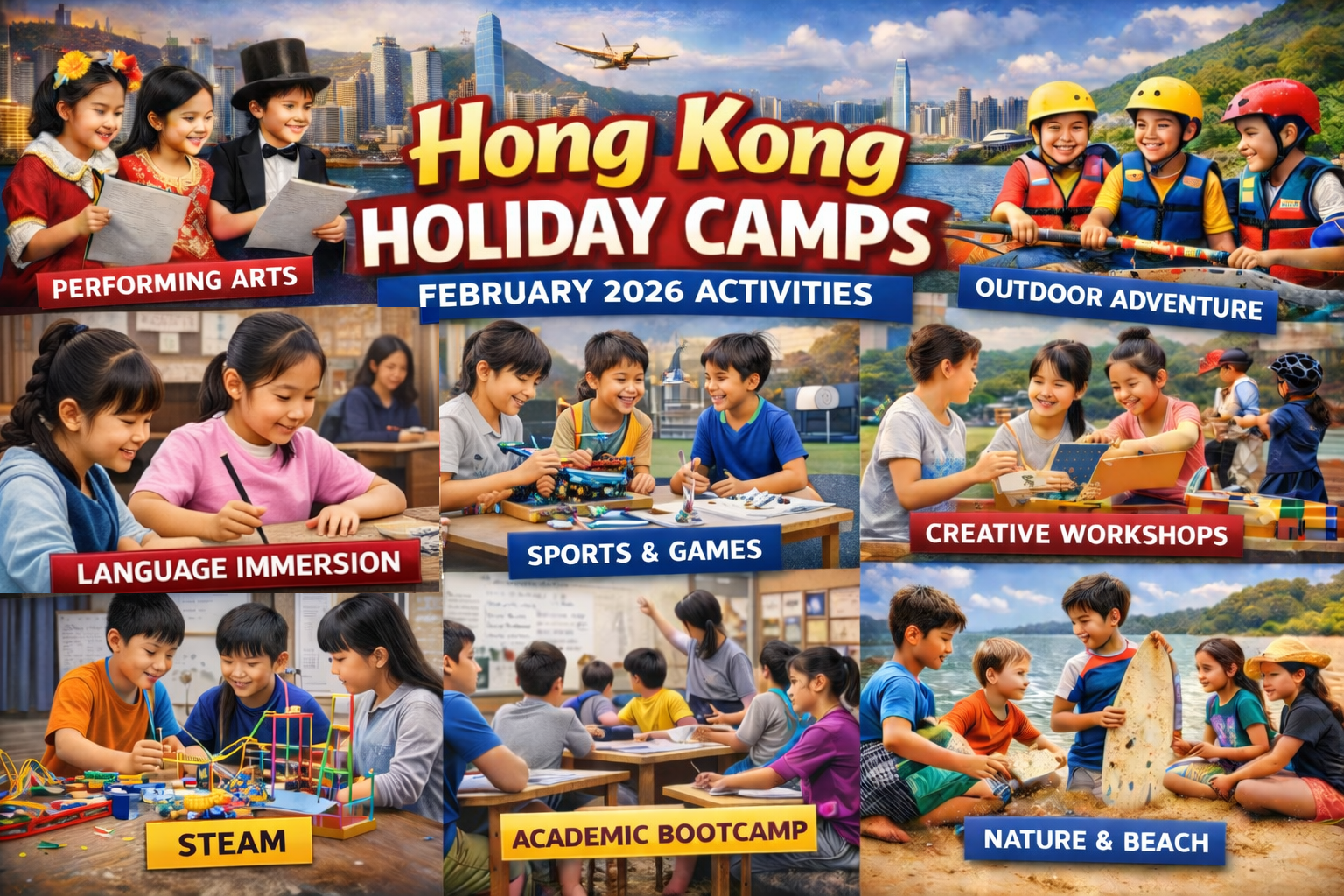
British Council English Camps
Excerpt
British Council Holiday Camps in Singapore use immersive English learning with creative themes, hands-on activities and expert teachers for ages ~4–16 during school breaks.

Description
British Council Holiday Camps — What They Do and What They Offer
The British Council Singapore offers holiday English camps and study camps designed to help children and teens develop English language skills while exploring exciting topics and building 21st-century competencies such as problem-solving, creativity, collaboration and critical thinking. These programmes are structured, theme-based learning experiences delivered in a safe, fun and supportive international environment with experienced teachers.
The British Council is the United Kingdom’s international organisation for cultural relations and educational opportunities, and its Singapore branch has been delivering English learning and enrichment programmes for many years, including holiday camps targeted at young learners from Early Years through Secondary levels.
Holiday camps take place at the British Council’s Napier Road Centre and Toa Payoh Centre in Singapore, and are open to local and international students who want to build confidence in English and expand their world knowledge during school breaks.
Overview of Holiday Camp Programmes
Holiday English Camps (Early Years to Secondary)
The British Council’s Holiday Camps use English as the medium for exploration — students discuss, listen, read and present in English across a variety of engaging topics each week. The camps are designed so that English learning is embedded in hands-on, interactive and thematic activities rather than purely formal classroom drills.
These camps typically run during major school breaks such as June and November/December, with separate sessions offered weekly. Each week is a complete unit that can stand alone, so campers can register for multiple weeks if desired.
The themes are carefully chosen to interest different age groups — from Early Years to Primary and Secondary learners — and to stimulate curiosity about the world while improving written and spoken English skills. Topics may include environmental issues, creative expression, research and presentation projects, storytelling, and real-world problem solving.
Typical Activities in English Holiday Camps
British Council camps are designed around active learning and frequently include:
- Games, craft activities and interactive challenges that reinforce vocabulary and communication skills.
- Group research projects that require campers to collaborate and apply language skills.
- Hands-on experiments and practical tasks that support understanding of thematic topics.
- Presentations and discussions to build confidence in spoken English and public communication.
- These activities take place in small class sizes, which allow personalised attention from internationally qualified, experienced teachers and opportunities for meaningful interaction.
Winter and Seasonal Study Camps
In addition to the November/December holiday camps mentioned above, the British Council also runs Winter Study Camps — intensive holiday programmes designed for Primary and Secondary students aged about 7–16 years who want to deepen their English skills in a structured setting. These camps allow students at all levels, from beginners to advanced learners, to engage in immersive English learning with a weekly rotating topic.
The Winter Study Camps follow a similar experiential learning model, encouraging children to use English in day-to-day contexts and topic explorations that extend beyond grammar and textbooks, fostering real communication confidence.
Educational Approach & Learning Outcomes
The British Council’s holiday camps are underpinned by an educational philosophy that emphasises learning English through meaningful use, not just memorisation. The camps encourage children to:
- Develop English vocabulary and grammar in real contexts.
- Build confidence in written and spoken communication through presentations, discussions and collaborative projects.
- Enhance world knowledge and intellectual curiosity by exploring diverse themes.
- Grow problem-solving and critical thinking skills through thematic tasks and experiential learning.
Beyond language skills, the camp design supports social learning, teamwork and self-expression, as participants work in groups and present their ideas to peers and teachers.
Age Range & Suitability
British Council holiday camps are available for a wide range of learners:
- Early Years (e.g., preparatory groups for young children).
- Primary Students — core holiday camp focus, with activities tailored for ages roughly 5–12 years.
- Secondary Students — older learners (typically 12–16 years or up to 17) can join camps that match their interests and skill levels.
Different camps and themes are calibrated to suit these age brackets so that learners engage with content appropriate for their developmental and language proficiency level.
Locations & Logistics
The British Council’s holiday camps in Singapore are held at the organisation’s Napier Road Centre and Toa Payoh Centre, both of which host English courses and holiday programmes.
Camps commonly run for half-day durations (e.g., morning sessions) during school holiday weeks. Families choose the weeks they want to enrol in, based on schedules made available ahead of each holiday period.
Parents typically register through the British Council’s online portal or via direct enquiries with the centres. Registration usually opens well in advance of each holiday period due to demand.
Benefits for Participants
Children who join British Council holiday camps can expect to gain:
- Improved English communication skills both in speaking and writing.
- Enhanced confidence in using English in real settings beyond rote exercises.
- Broadened world knowledge and curiosity through theme-based learning.
- Collaboration and social skills from working in teams and groups.
- Exposure to internationally recognised teaching approaches and qualified instructors.
Conclusion
The British Council’s Holiday Camps in Singapore offer structured, experiential English learning experiences for students from Early Years through Secondary levels. Using English as the medium of discovery, these camps combine games, projects, research and hands-on activities that build language skills, confidence and 21st-century competencies. With weekly thematic programmes available during major school breaks and optional winter study camps for older learners, families can choose options that match their child’s age and proficiency level.